Gibraltar’s open border: what changed for La Línea, one month on
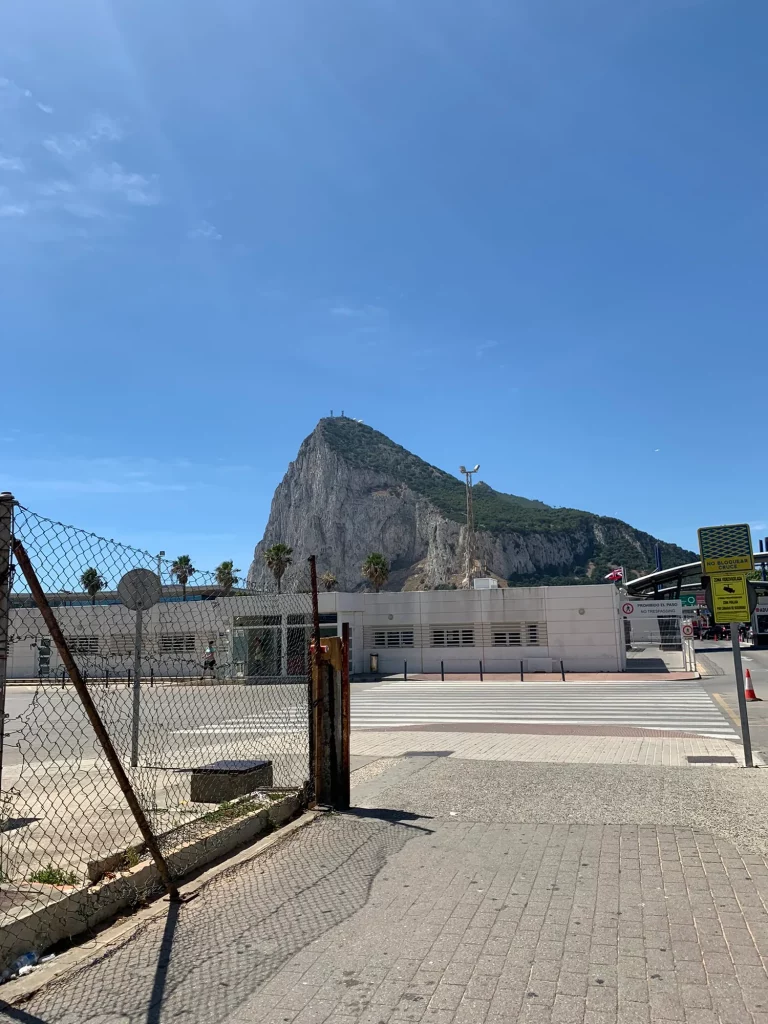
The fence is down and the passport booths are gone. A month into the new treaty, the honest view from this side of the frontier is that daily life changed less than the headlines promised — and the friction that is left has simply moved.
For people who cross to work, less changed than you would think
Around 15,000 people cross from the Campo de Gibraltar into Gibraltar to work every day. If you were one of them before 15 July, the queues were never the daily nightmare outsiders imagine. A bad wait came maybe once a month, five or ten minutes, and almost always for a reason: the summer tourist crush, or a spell of political friction between Gibraltar and Madrid when the Guardia Civil slowed everything down to make a point. Most mornings you simply walked or drove through.
What the treaty changed is that the crossing itself is now genuinely easy — free movement, no passport controls at the land frontier, with Spain running the Schengen checks at Gibraltar’s airport and port instead. For small, ordinary errands that matters. Nipping over to fill the tank, because fuel on the Rock is still cheaper for now, is barely a detour any more.
The queue did not vanish — it moved
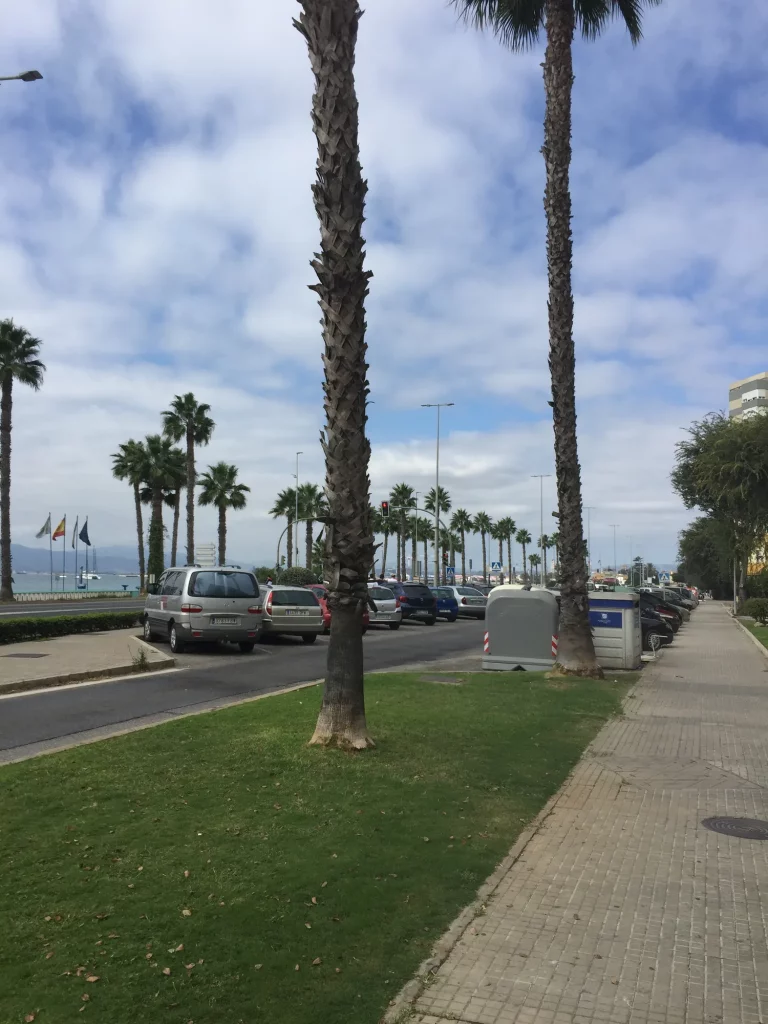
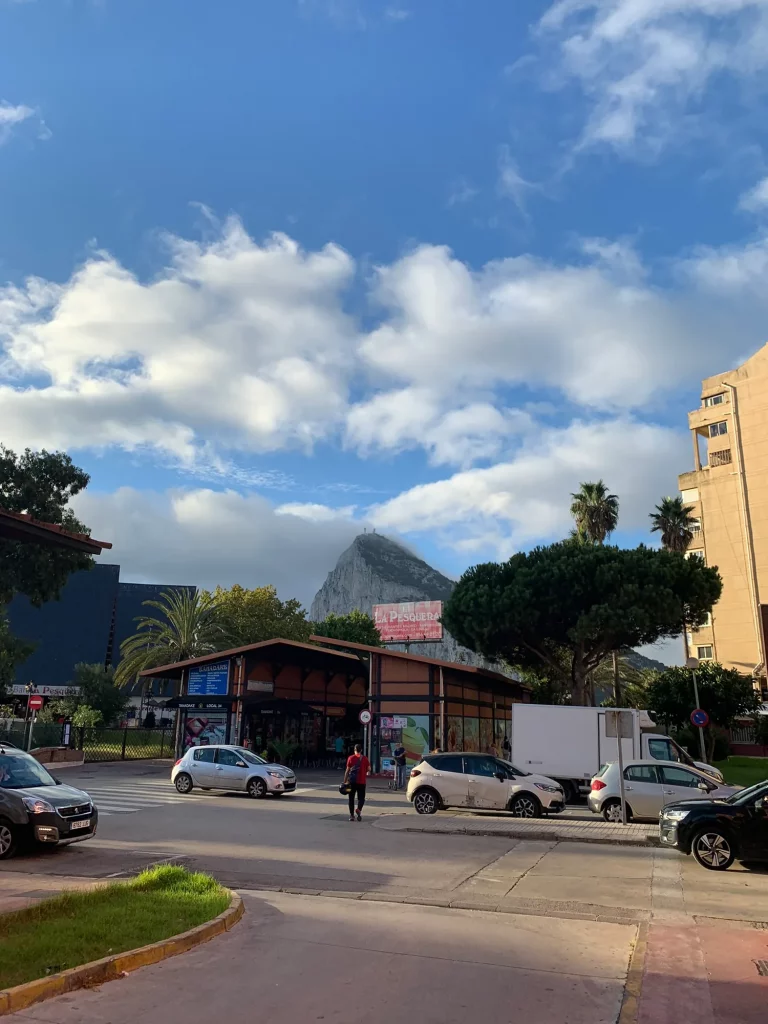
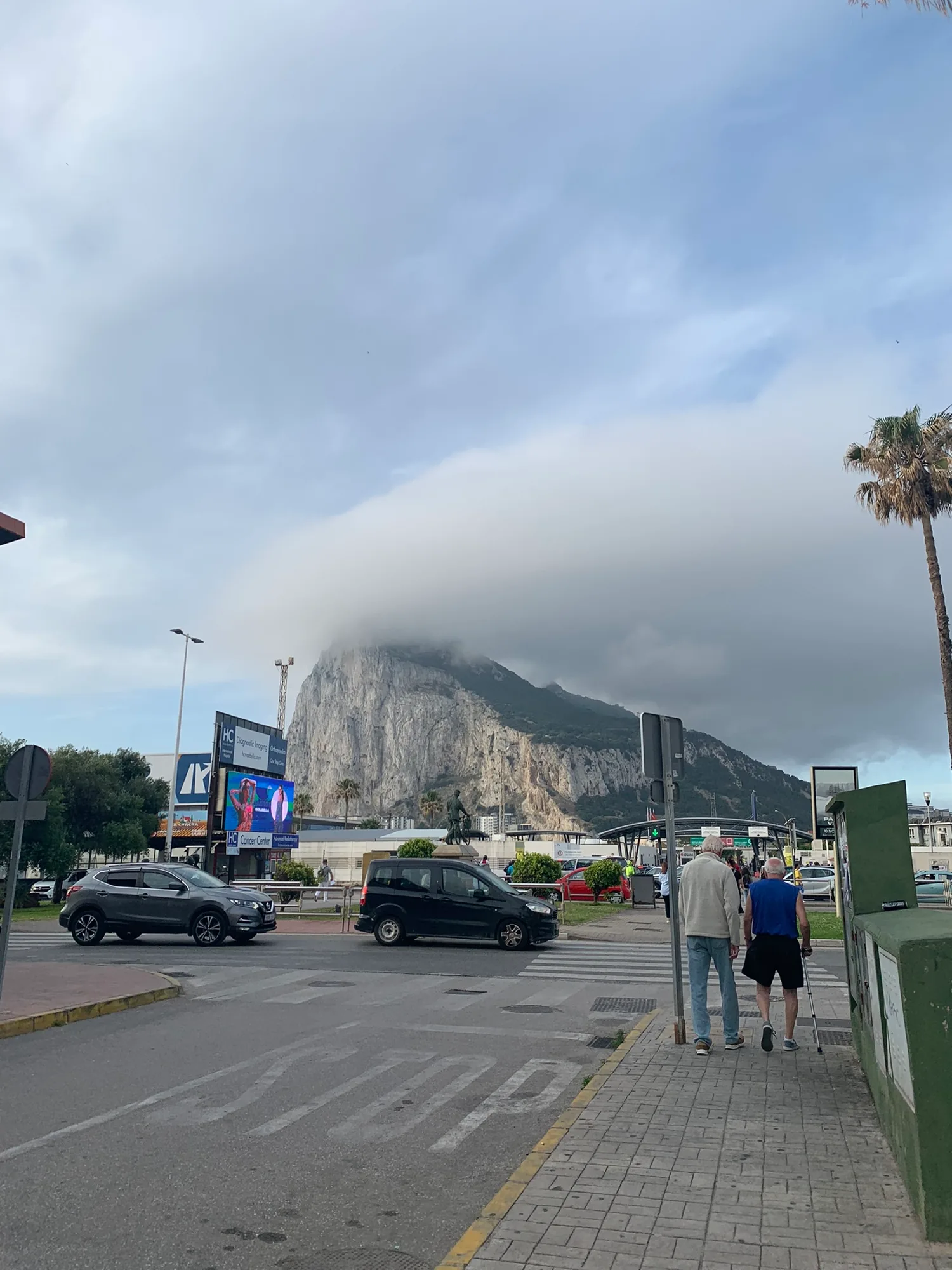
Here is what the “open border” story misses: the hold-up now is getting around La Línea, not crossing into it. Friday afternoons are the tell, when Gibraltarians head into Spain for the weekend and the roads back up. It is not a border queue any more — nobody is waiting at a booth — it is traffic. The streets are not signposted for the volume, and the roads around the frontier were never laid out for cars moving freely in both directions. The wall came down faster than the town adapted to it.
Gibraltar is getting more expensive
The other real change is in your shopping basket. Under the treaty Gibraltar enters a customs union with the EU, and a duty-free allowance now caps what you may bring back for personal use: €300 by land and €430 by sea or air, for an initial three years, with standard quantity limits on tobacco, alcohol and fuel. Alongside that, Gibraltar’s excise duties are being brought up toward EU and Spanish levels through the transition.
In plain terms, the cheap cigarettes and alcohol that were the reason for a lot of trips across are steadily losing that edge. If that is why you cross, check the current allowance before you go, because the figures are still being phased in.
Who gains, and who feels they lost
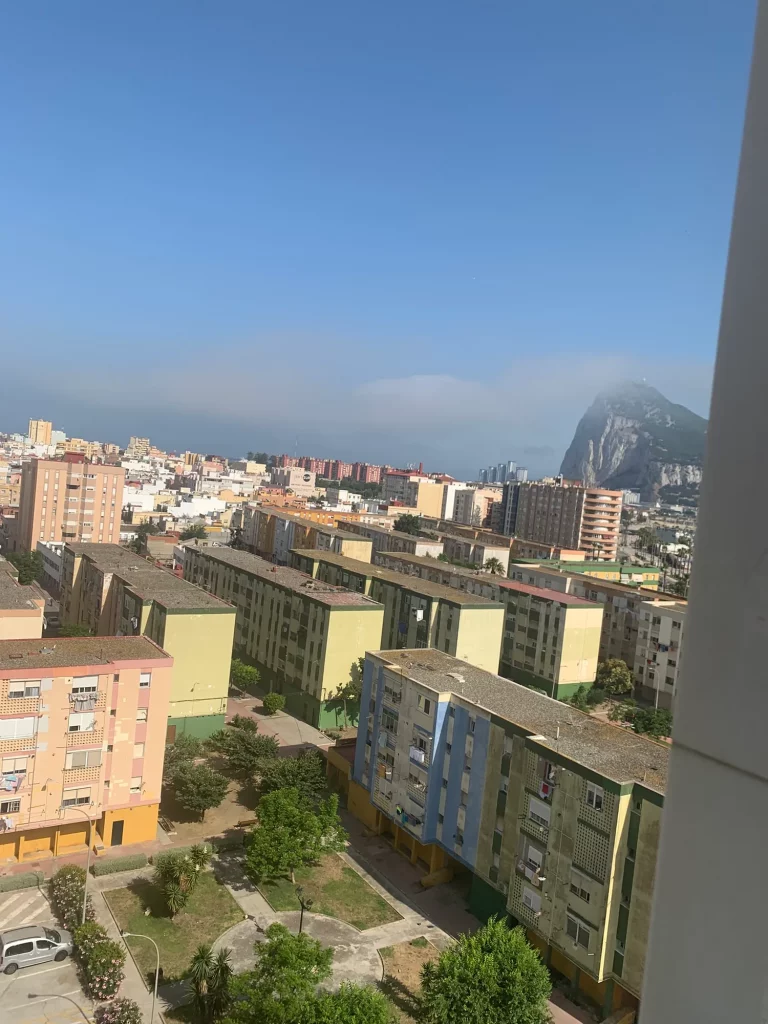
Whether all this is good for La Línea is genuinely too early to call. Working across is a little easier, which helps. But the money runs both ways. Wealthier Gibraltarians now find it far simpler to buy property in Spain, and that pressure on local prices is not obviously good news for the people who already live here. And on the Rock itself, plenty of Gibraltarians are uneasy — for them the open border feels less like convenience and more like the loss of a separateness they valued. A treaty can take down a fence in a morning; how two towns feel about each other takes longer.
The short version
- What changed most
- Crossing is easy now; the cheap tobacco and alcohol are ending; residence permits still run through Spain.
- What did not
- The daily commute was never that slow, and it still is not.
- The new friction
- Town traffic and poor signposting, worst on Friday afternoons.
- The verdict
- Too early to say whether La Línea comes out ahead.
Sorting your own residency across the frontier? Our NIE and residency help explains the forms and can do the legwork for you.
This is a resident’s read of a fast-moving situation, not legal or tax advice. The treaty’s detailed rules are still being phased in, so for anything that affects your own paperwork or shopping allowance, check the official source on the day.
Sources
- Gobierno de España (La Moncloa), treaty announcement and the removal of the frontier fence, 2026 — frontier-worker numbers, free movement and Schengen arrangements.
- HM Government of Gibraltar, Technical Notice 86/2026, Temporary Allowances Regime — the €300 land / €430 sea-air duty-free allowance and its three-year term.